

Childhood in an Overstimulated World
We rarely talk about how sensitive our bodies and minds are to the environments we move through. Modern life is filled with rapid inputs — noise, screens, shifting demands, constant micro-decisions — and most of us don’t recognize how these layers of stimulation shape our mood, patience, and energy.

It’s Them, Not Me: Why We Misjudge Others So Quickly
The Fundamental Attribution Error is a psychological concept that describes our tendency to pin someone’s behavior—or failure—on who they are rather than considering how their environment shaped what they did. It’s one of the easiest traps to fall into, especially as adults who are quick to spot what’s wrong with everyone else long before we ever look at ourselves.
Picture this: a 4-year-old is screaming and throwing items off a grocery store shelf…
Shaped By a Baby
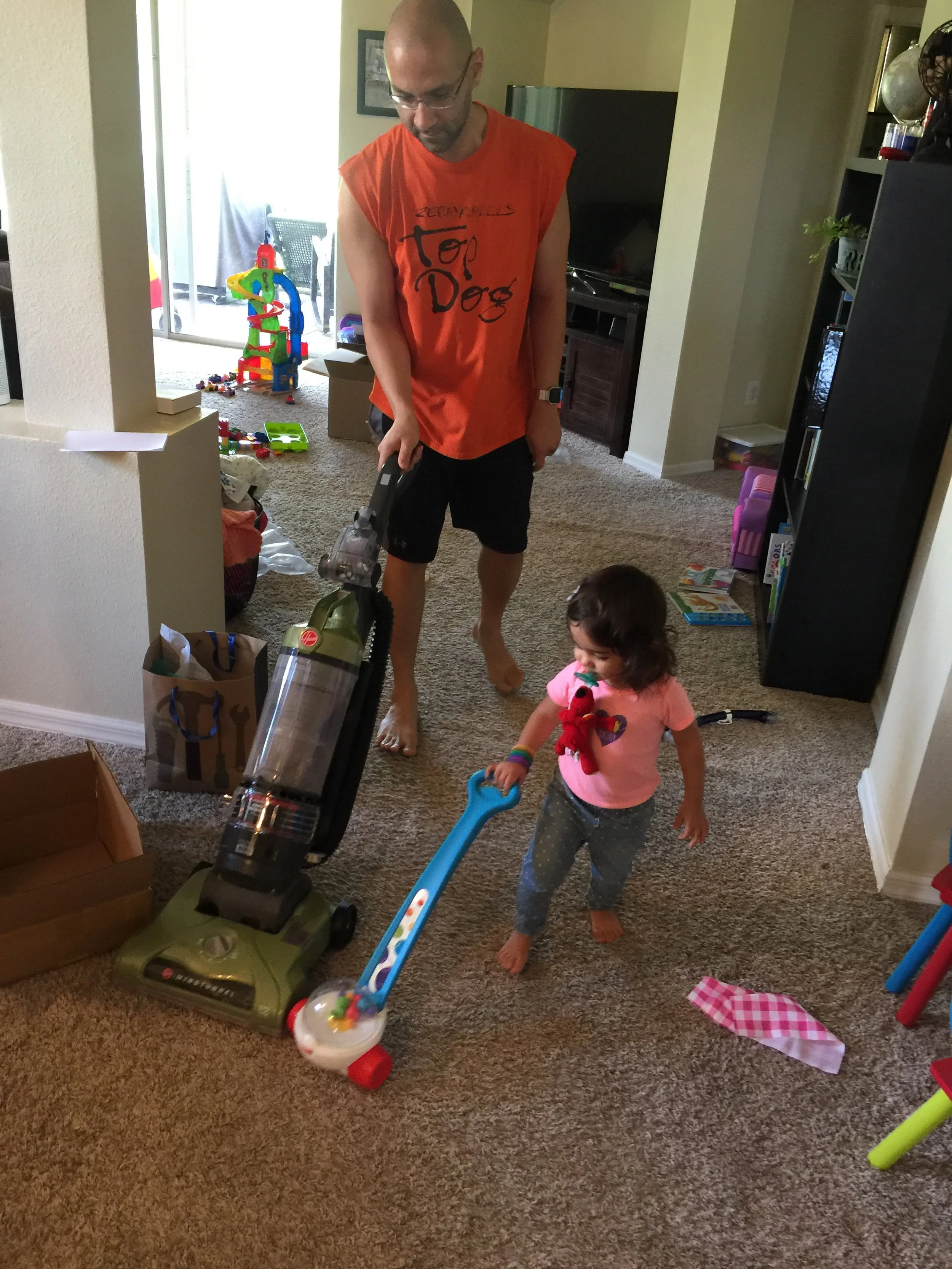
My oldest child turned ten a few weeks ago, and as I was reflecting on the first decade of her life—revisiting old photos, videos, and things I’d written—I was reminded of one humbling truth: the laws of behavior don’t play favorites, not even for people who study them for a living.

Tricky Treat
I was consulting with a kindergarten teacher who felt frustrated by a child’s “disruptive behavior.” The behavior, she said, was getting worse.
We often remind our clients: if a behavior is happening, there’s reinforcement somewhere in the environment.
I asked to observe the classroom. Within five minutes, I saw Zach get reprimanded for leaving his seat. The teacher sent him to the principal’s office…..

From Playground to Phone Screen: Childhood in the Attention Economy
I was talking with a friend recently about when we think our daughters will get their first phone. They’re in 4th grade, and some of their friends already have them. The conversation quickly veered into “when we’ll have to, because their friends do” instead of “what’s best for our kids’ development and mental health.” Most parents would probably agree: less phone time is better. Yet here we are, nudged toward decisions by the pressure of what everyone else is doing.

Missing What Matters Most
Systemized living—and a near-religious commitment to efficiency—govern nearly every part of my life. It kinda has to. I’m raising two kids, managing three businesses, and navigating the red tape of healthcare and insurance at 41. If something doesn’t have a system tied to it, it probably doesn’t happen. My systems bring order, predictability, control, safety, and success. They keep the chaos in check.
But it begs the question: can living with this kind of structured focus come at a cost?
Listen to me!
From the vault….seven years ago:
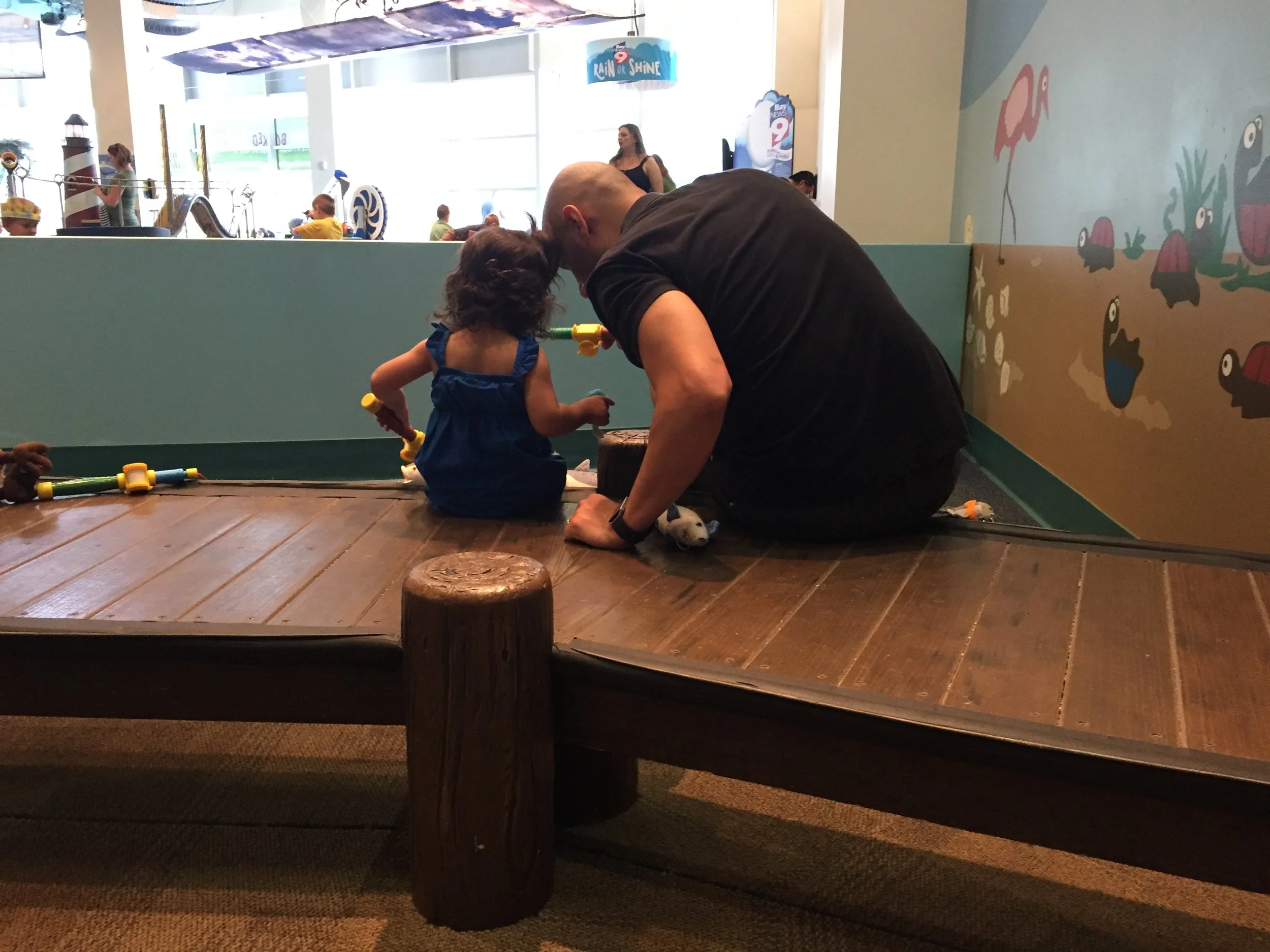
I told my two year old daughter yesterday "pay attention to me". I like to think she's pretty smart so naturally she stopped talking and looked at me. It's an important lesson I thought - I remember my parents telling it to me as a kid. Later in the day she locked eyes with her three year old cousin and said "pay attention to me!"