
Canyoureadthis?
Imagine a page of writing with no margins, paragraph breaks, or spaces between the words. It’s a bit how life starts to feel with our phones in our pockets. In sitting on my lanai this morning with my coffee and my phone in my pocket, it occurred to me that not interacting with it simply isn't enough white space for a moment in my life where I'm actively looking to disconnect from the abundance of stimulation that surrounds me in my life.

Perfectly Written, Completely Wrong: AI and the Complexity of Being Human
As we're all grappling with the impact of AI on our futures (cue scary headlines about the fall of civilization), we're also exponentially exposed to the impact of AI on a daily basis. I mean, who hasn't at this point used AI to help draft an email or social media post? I've become suspicious of my own use of late, so I decided to take a short poll of friends and family to hear how they've been using AI in their daily lives, and here are some use cases I've learned about: a wedding toast, an angry customer review response, a review of a book, and even a breakup text! (The unnamed person who shared the breakup story reports his ex-girlfriend seemed to appreciate his articulation.) I get it — as I just stated, I'm not immune to the euphoria of this alien life form appearing out of nowhere to literally save us countless hours.
Judgement Can Wait
In a world that feels increasingly polarized—where algorithms seem to know exactly which buttons to push—it’s hard not to notice how easily I can slip into quick judgments. "Like" "Dislike" "Agree" "Disagree" "Judge" and move on without much of a second thought. The quick escape has it's role in today's lifestyle

Childhood in an Overstimulated World
We rarely talk about how sensitive our bodies and minds are to the environments we move through. Modern life is filled with rapid inputs — noise, screens, shifting demands, constant micro-decisions — and most of us don’t recognize how these layers of stimulation shape our mood, patience, and energy.
It’s Them, Not Me: Why We Misjudge Others So Quickly
The Fundamental Attribution Error is a psychological concept that describes our tendency to pin someone’s behavior—or failure—on who they are rather than considering how their environment shaped what they did. It’s one of the easiest traps to fall into, especially as adults who are quick to spot what’s wrong with everyone else long before we ever look at ourselves.
Picture this: a 4-year-old is screaming and throwing items off a grocery store shelf…

The Distorted Mirror
The other night, I was watching Real Time with Bill Maher when he called young men “pus*ies” for not courting women the way men “used to.” The audience laughed — a familiar blend of relief and superiority. I didn’t feel angry. Just tired.
Not because Bill said something offensive, but because…

From Playground to Phone Screen: Childhood in the Attention Economy
I was talking with a friend recently about when we think our daughters will get their first phone. They’re in 4th grade, and some of their friends already have them. The conversation quickly veered into “when we’ll have to, because their friends do” instead of “what’s best for our kids’ development and mental health.” Most parents would probably agree: less phone time is better. Yet here we are, nudged toward decisions by the pressure of what everyone else is doing.
Signal Lost, Self Found
The tether begins to loosen as I ascend the steps into my sanctuary, locking my algorithm god into its timeout box. Sliding noise canceling headphones onto my head eliminates the torrential audio stream of life pouring into my canals. It’s quiet. Instinctively, my body unlocks the deepest inhalation of the day. My brain releases serotonin, gently signaling my muscles that it's now safe to loosen their grip on the guardrails they’ve grown so accustomed to clinging to. Life’s neon sign hums somewhere behind me as I turn the first corner of the indoor track—its buzz already beginning to fade.
An Arms Race for Mental Space
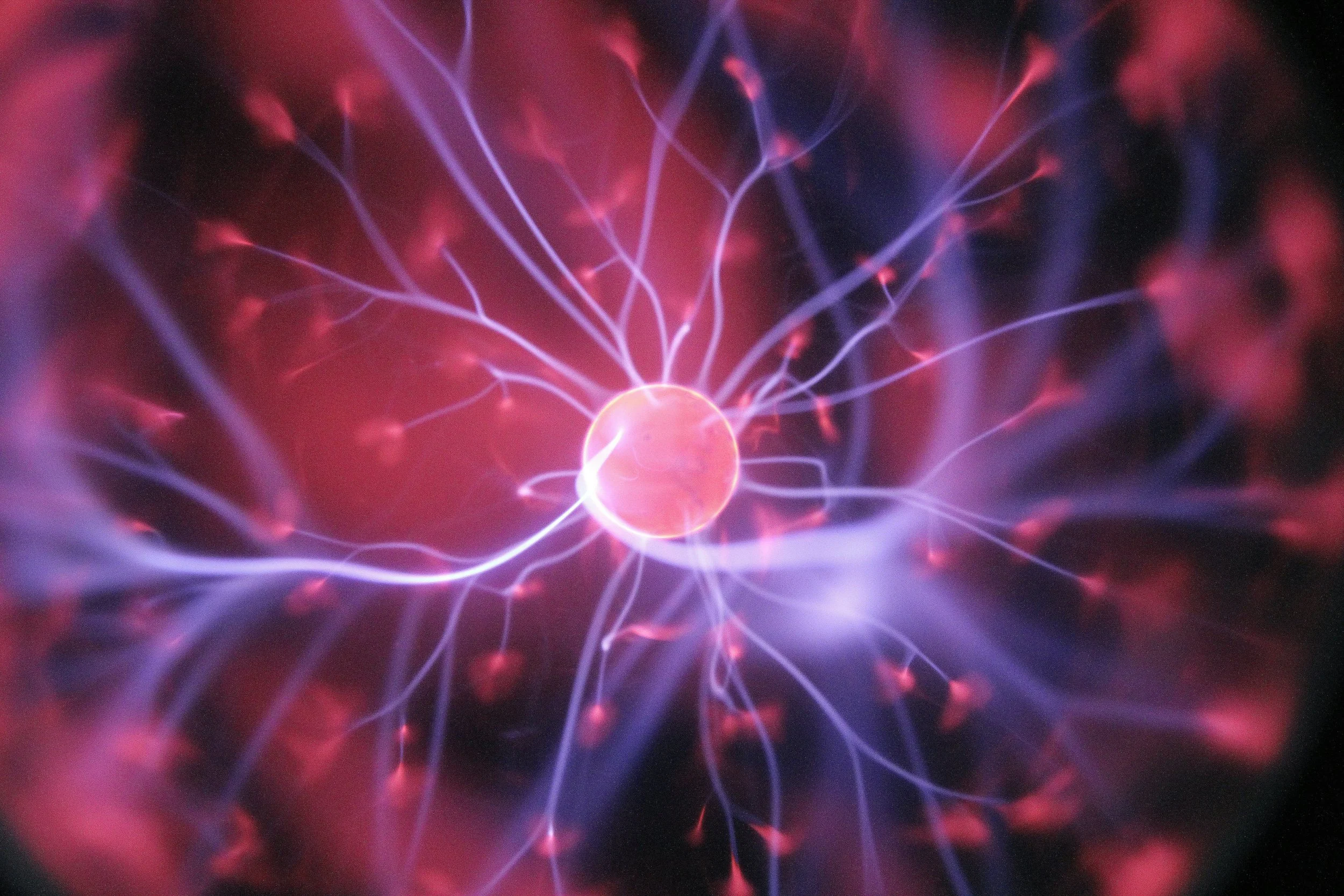
At its core our attention, (how we choose to focus our energy) derives from our five senses: Sight, sound, smell, taste, and touch. We process these things in what can be described as a neurological miracle. Our brains fire off messages and release hormones in milliseconds as part of an organic ballet with body, thus permitting the reliable biological responses that mold our day-to-day actions. Responses so reliable that they helped our ancestors overcome the obstacles necessary for our collective existence.