

Canyoureadthis?
Imagine a page of writing with no margins, paragraph breaks, or spaces between the words. It’s a bit how life starts to feel with our phones in our pockets. In sitting on my lanai this morning with my coffee and my phone in my pocket, it occurred to me that not interacting with it simply isn't enough white space for a moment in my life where I'm actively looking to disconnect from the abundance of stimulation that surrounds me in my life.

Perfectly Written, Completely Wrong: AI and the Complexity of Being Human
As we're all grappling with the impact of AI on our futures (cue scary headlines about the fall of civilization), we're also exponentially exposed to the impact of AI on a daily basis. I mean, who hasn't at this point used AI to help draft an email or social media post? I've become suspicious of my own use of late, so I decided to take a short poll of friends and family to hear how they've been using AI in their daily lives, and here are some use cases I've learned about: a wedding toast, an angry customer review response, a review of a book, and even a breakup text! (The unnamed person who shared the breakup story reports his ex-girlfriend seemed to appreciate his articulation.) I get it — as I just stated, I'm not immune to the euphoria of this alien life form appearing out of nowhere to literally save us countless hours.

Judgement Can Wait
In a world that feels increasingly polarized—where algorithms seem to know exactly which buttons to push—it’s hard not to notice how easily I can slip into quick judgments. "Like" "Dislike" "Agree" "Disagree" "Judge" and move on without much of a second thought. The quick escape has it's role in today's lifestyle

Childhood in an Overstimulated World
We rarely talk about how sensitive our bodies and minds are to the environments we move through. Modern life is filled with rapid inputs — noise, screens, shifting demands, constant micro-decisions — and most of us don’t recognize how these layers of stimulation shape our mood, patience, and energy.
It’s Them, Not Me: Why We Misjudge Others So Quickly
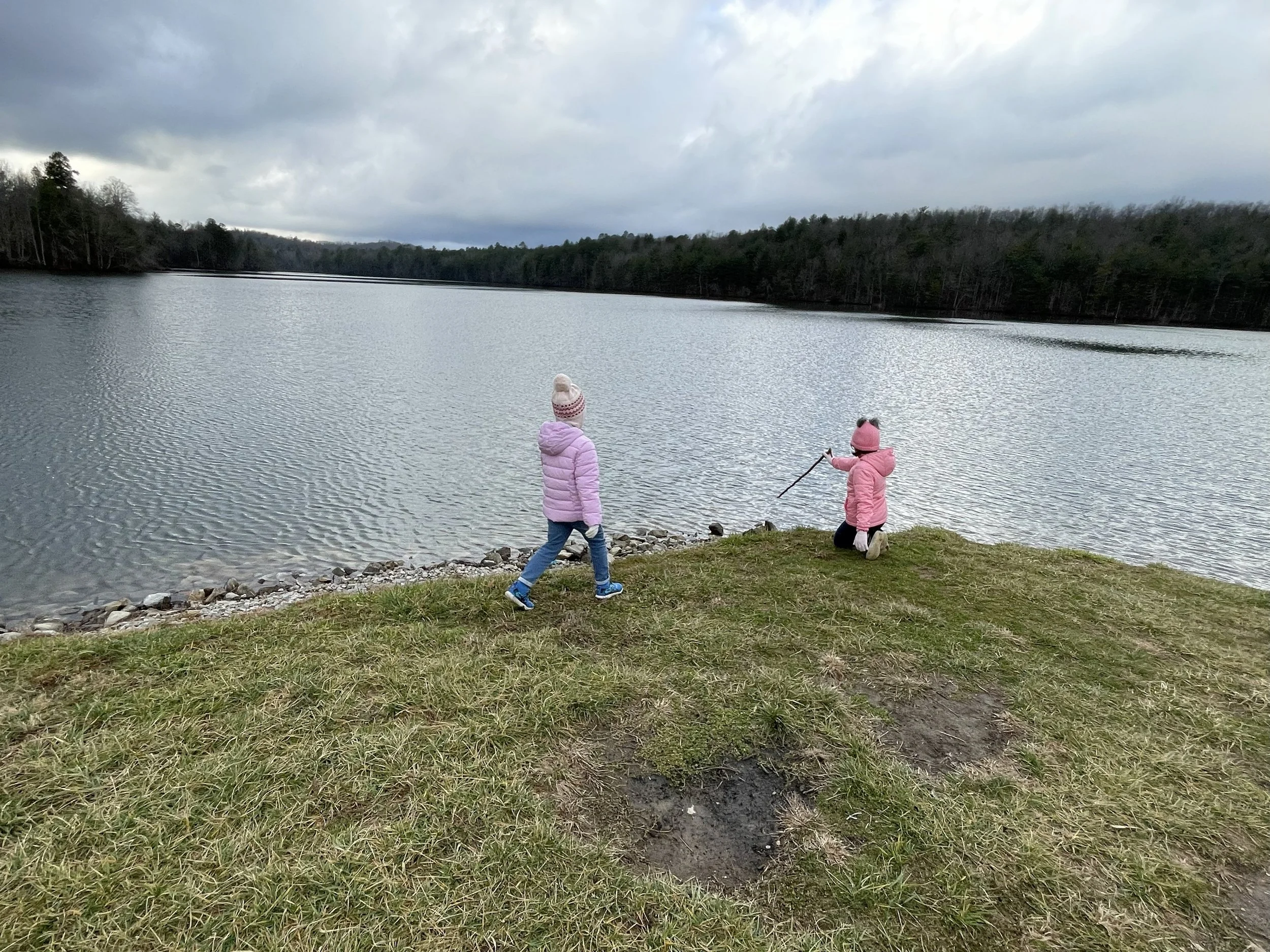
The Fundamental Attribution Error is a psychological concept that describes our tendency to pin someone’s behavior—or failure—on who they are rather than considering how their environment shaped what they did. It’s one of the easiest traps to fall into, especially as adults who are quick to spot what’s wrong with everyone else long before we ever look at ourselves.
Picture this: a 4-year-old is screaming and throwing items off a grocery store shelf…
Shaped By a Baby
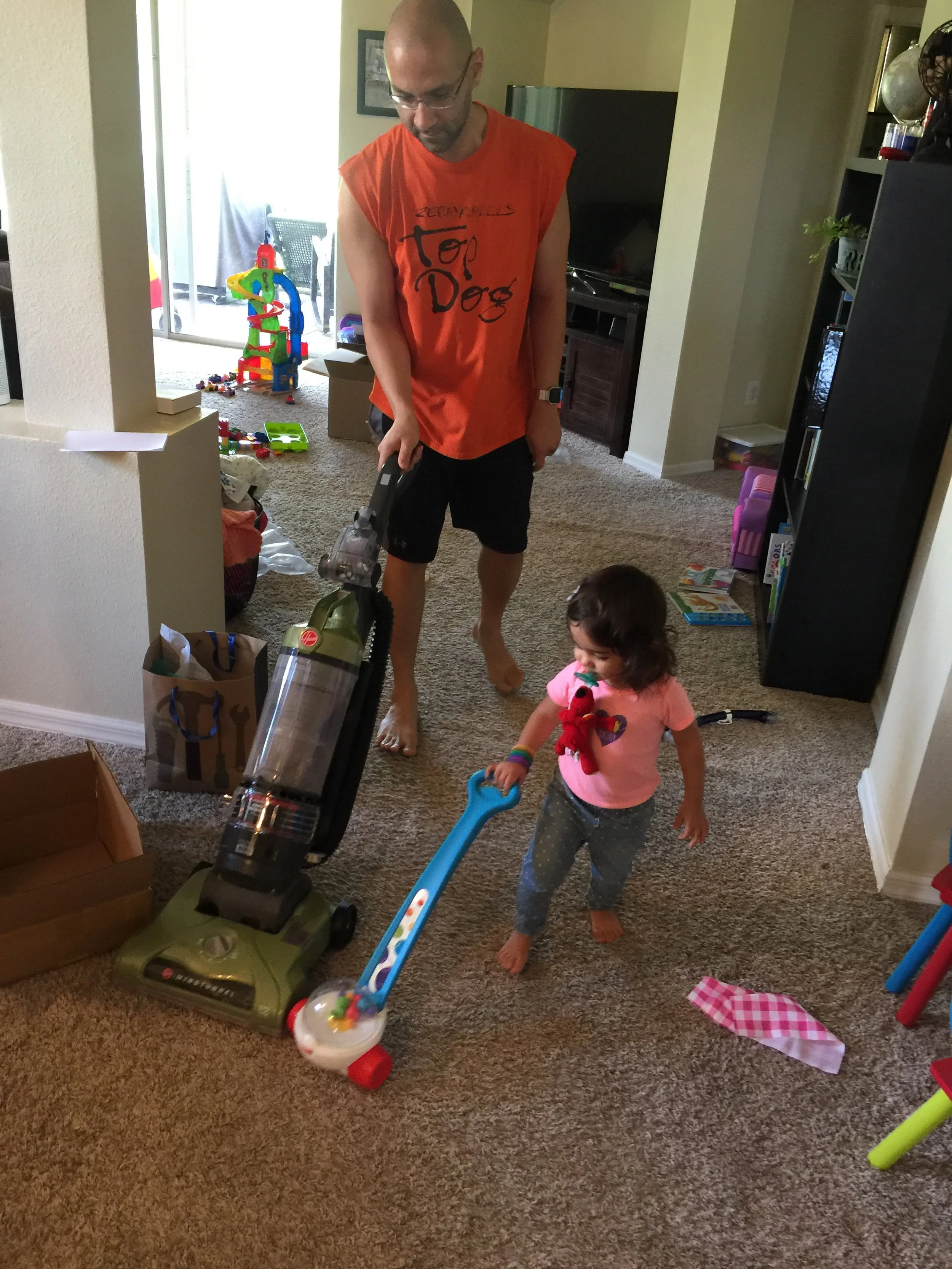
My oldest child turned ten a few weeks ago, and as I was reflecting on the first decade of her life—revisiting old photos, videos, and things I’d written—I was reminded of one humbling truth: the laws of behavior don’t play favorites, not even for people who study them for a living.

The Distorted Mirror
The other night, I was watching Real Time with Bill Maher when he called young men “pus*ies” for not courting women the way men “used to.” The audience laughed — a familiar blend of relief and superiority. I didn’t feel angry. Just tired.
Not because Bill said something offensive, but because…

Tricky Treat
I was consulting with a kindergarten teacher who felt frustrated by a child’s “disruptive behavior.” The behavior, she said, was getting worse.
We often remind our clients: if a behavior is happening, there’s reinforcement somewhere in the environment.
I asked to observe the classroom. Within five minutes, I saw Zach get reprimanded for leaving his seat. The teacher sent him to the principal’s office…..

From Playground to Phone Screen: Childhood in the Attention Economy
I was talking with a friend recently about when we think our daughters will get their first phone. They’re in 4th grade, and some of their friends already have them. The conversation quickly veered into “when we’ll have to, because their friends do” instead of “what’s best for our kids’ development and mental health.” Most parents would probably agree: less phone time is better. Yet here we are, nudged toward decisions by the pressure of what everyone else is doing.
Signal Lost, Self Found
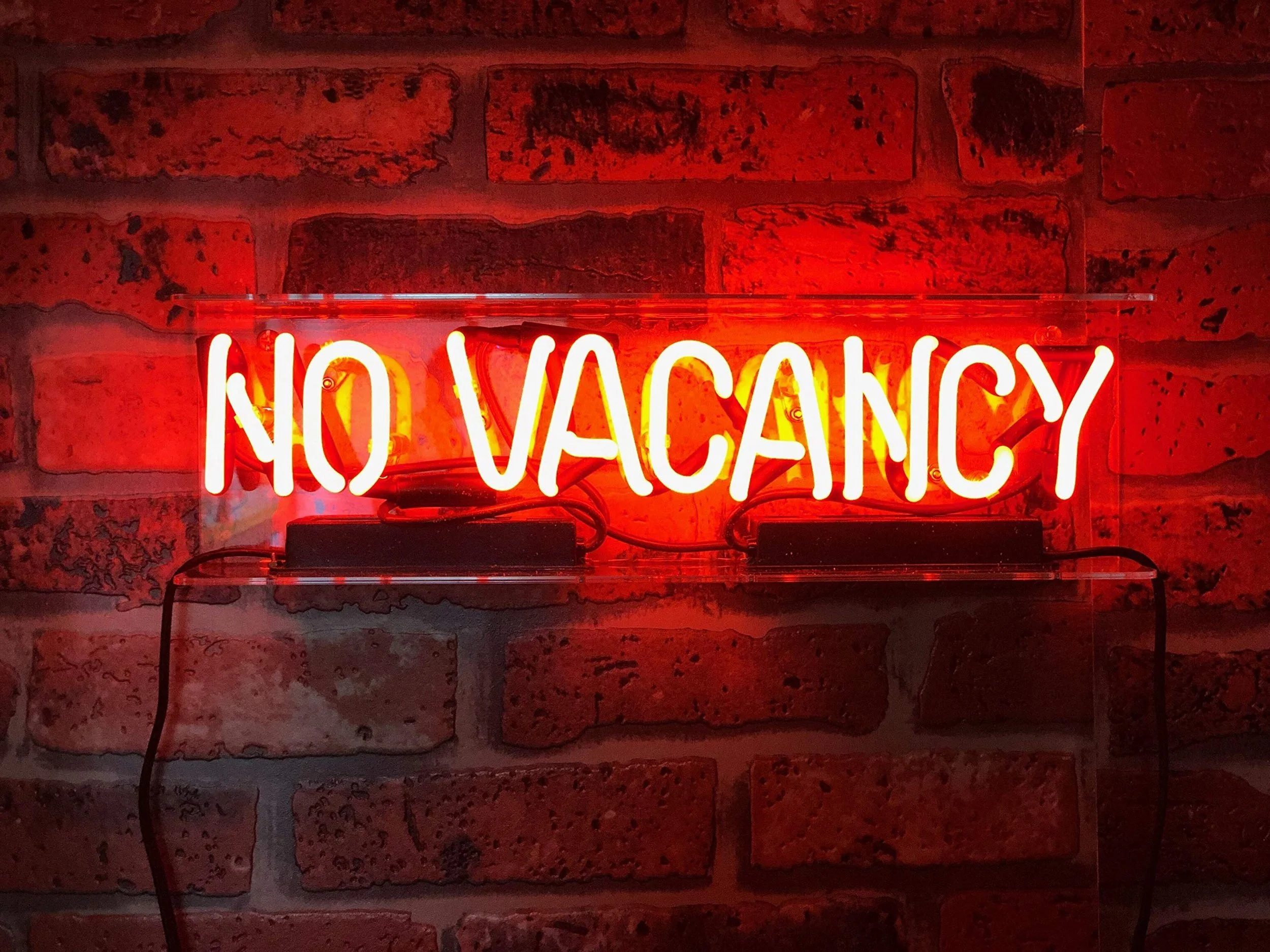
The tether begins to loosen as I ascend the steps into my sanctuary, locking my algorithm god into its timeout box. Sliding noise canceling headphones onto my head eliminates the torrential audio stream of life pouring into my canals. It’s quiet. Instinctively, my body unlocks the deepest inhalation of the day. My brain releases serotonin, gently signaling my muscles that it's now safe to loosen their grip on the guardrails they’ve grown so accustomed to clinging to. Life’s neon sign hums somewhere behind me as I turn the first corner of the indoor track—its buzz already beginning to fade.

Missing What Matters Most
Systemized living—and a near-religious commitment to efficiency—govern nearly every part of my life. It kinda has to. I’m raising two kids, managing three businesses, and navigating the red tape of healthcare and insurance at 41. If something doesn’t have a system tied to it, it probably doesn’t happen. My systems bring order, predictability, control, safety, and success. They keep the chaos in check.
But it begs the question: can living with this kind of structured focus come at a cost?

Listen to me!
From the vault….seven years ago:
I told my two year old daughter yesterday "pay attention to me". I like to think she's pretty smart so naturally she stopped talking and looked at me. It's an important lesson I thought - I remember my parents telling it to me as a kid. Later in the day she locked eyes with her three year old cousin and said "pay attention to me!"

An Arms Race for Mental Space
At its core our attention, (how we choose to focus our energy) derives from our five senses: Sight, sound, smell, taste, and touch. We process these things in what can be described as a neurological miracle. Our brains fire off messages and release hormones in milliseconds as part of an organic ballet with body, thus permitting the reliable biological responses that mold our day-to-day actions. Responses so reliable that they helped our ancestors overcome the obstacles necessary for our collective existence.

Feeble Minded
We live in a world that shapes our behaviors. For better or worse, our behaviors are responsible for the outcomes we produce in life. Sometimes, we fall into the trap of attributing our failures on factors beyond our control, yet readily take personal credit for our successes. While events outside of our control obviously do exist, this convenient manipulation of personal accountability in the "now", shapes our levels of resilience and drive when faced with adversity in the future.